Built for cold water
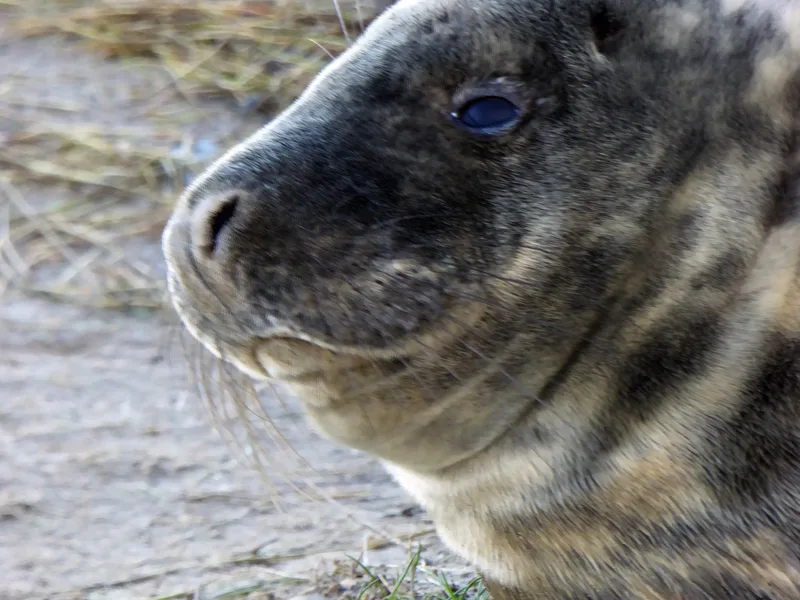
True seals: no external ears, a thick blubber coat, sensitive whiskers and long, quiet dives.
Blubber and shape
A thick layer of blubber under the skin keeps seals warm and helps streamline the body. MarLIN: Common or harbour seal Both belong to the family Phocidae — the true, or earless, seals. Natural History Museum: Seals in the UK
Whiskers
Grey seals can detect the wake of a fish tens of metres ahead using their sensitive whiskers. Mammal Society: Grey seal
How long underwater?
Grey seals usually stay underwater for about four to eight minutes; the longest recorded dive in Mammal Society notes is about 30 minutes. Mammal Society: Grey seal
- Grey seals usually stay underwater for about four to eight minutes; the longest recorded dive in Mammal Society notes is about 30 minutes. Mammal Society: Grey seal
Ordinary dives of a few minutes sit alongside rare long dives of about half an hour. Every disagreement we found →
The Mammal Society notes harbour seals diving for up to about 10 minutes and reaching depths of at least 50 metres on feeding trips. Mammal Society: Harbour seal MarLIN records harbour seals diving to 450 m and staying submerged for up to 30 minutes. MarLIN: Common or harbour seal
Sources give different dive depths for harbour seals. We keep both: see when sources disagree.
How deep?
The Natural History Museum notes grey seals have been recorded deeper than 400 metres, though they often hunt in shallower water. Natural History Museum: Seals in the UK
Eating — and not eating
Grey seals need to eat roughly 4–6% of their body weight in food each day when feeding normally, to maintain their blubber. Mammal Society: Grey seal Grey seals do not feed during the pupping and moulting seasons. Mammal Society: Grey seal
Grey seals mainly eat fish (including sand eels, cod, flatfish and others) and also take squid, octopus and crustaceans. Natural History Museum: Seals in the UK Harbour seals take a varied mix of fish such as herring, sand eels and cod, plus squid, octopus and sometimes crustaceans. Natural History Museum: Seals in the UK
Next: the two species →